Why Impact-Rated Doors and Windows Are Essential for Extreme Weather Protection
From the KB-Resource Editorial Team
The Rising Threat of Severe Weather in North America
If it feels like extreme weather is becoming more common, that’s because it is. In recent years, stronger hurricanes, heavier storms, and more volatile seasonal shifts have affected large parts of North America. According to the National Oceanic and Atmospheric Administration, the United States has experienced a growing number of billion-dollar weather disasters, with hurricanes among the costliest. Storms like Hurricane Ian alone caused over $100 billion in damage, much of it tied to structural failures in buildings.
Why Doors and Windows Are the Weakest Link
In high winds, the failure of a single window or door can create a domino effect. Once an opening is breached, internal pressure builds, which can lift roofs and collapse walls. Flying debris only makes matters worse, turning everyday objects into dangerous projectiles. This is why building codes in hurricane-prone regions increasingly require impact-rated systems that can withstand both pressure and impact.
Even outside coastal zones, reinforced windows and doors are critical. In colder regions, they help prevent heat loss, resist warping from temperature swings, and stand up to heavy snow and ice. Simply put, they are a frontline defense against multiple forms of environmental stress.
The Old Tradeoff – Strength vs. Style
Historically, homeowners and architects often faced a frustrating compromise – protection or aesthetics. Early impact-rated windows and doors were built for performance first, which often meant bulky frames, limited design flexibility, and a more industrial look. While effective, they did not always align with the architectural vision of a home or building.
That tradeoff has changed significantly in recent years. Advances in materials engineering and manufacturing have made it possible to create slimmer, more refined profiles without sacrificing strength.
Balancing Protection with Design
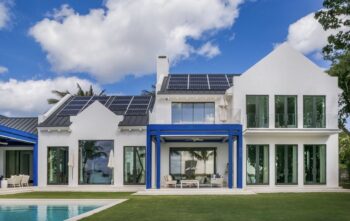
Today, manufacturers like Hope’s Windows, Inc. are helping redefine what impact-rated systems can look like. Their steel and bronze windows and doors are designed to meet rigorous standards such as IBC, IRC, FBC, and Miami-Dade County requirements, while maintaining clean sightlines and architectural character.
With options ranging from narrow-profile steel systems to classic bronze designs, these products demonstrate that resilience and beauty can coexist. Continuous testing plays a key role here, ensuring that performance holds up under real-world conditions, not just in controlled environments.
A Smarter Investment for Long-Term Resilience
Upgrading to impact-rated doors and windows is not just about preparing for the next storm, it is about protecting your property for decades. As weather patterns continue to intensify, choosing materials designed for extreme conditions offers peace of mind, improved energy performance, and lasting value, all while supporting the overall design vision of a space.