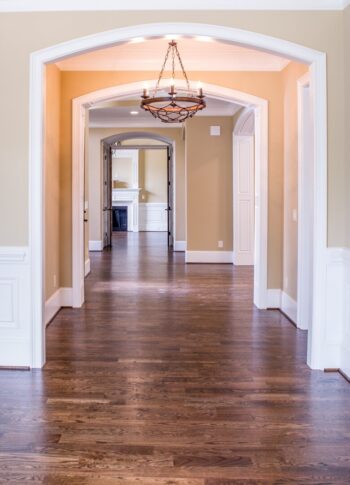
The Most Beautiful Aging-in-Place Features Are the Ones You Don’t Notice
From the KB-Resource Editorial Team
Aging-in-place design is having a quiet design revolution.
For years, the phrase “aging in place” might have conjured images of grab bars, ramps, medical equipment, and obvious accessibility modifications. But the most thoughtful approach to aging-friendly home design looks very different.
 The best features are often the ones you barely notice.
A beautifully proportioned bathroom with a generous curbless shower. A gracious entry without a step. Wider doorways that make a home feel more open. Lever hardware that looks like a considered design detail. Layered lighting that creates atmosphere while making spaces easier to navigate.
This is the promise of universal design: creating homes that work comfortably for people of different ages, abilities, and stages of life without making the home look specialized. The National Association of Home Builders’ guide to universal design describes features such as no-step entries, wider doorways, nonslip surfaces, lever handles, and thoughtful lighting as ways to make homes more usable without calling attention to accessibility.
AARP’s 2026 research suggests homeowners are increasingly receptive to this approach. Sixty-eight percent of adults age 50 and older say universal-design features are important, while 59% believe they should be standard in newly built homes. AARP’s 2026 research on universal design also emphasizes that universal design can create spaces that work simultaneously for children, parents, grandparents, and people with disabilities.
The question, then, isn’t simply how to make a home accessible. It’s how to make it beautifully adaptable.
The Entry: Make the First Step Disappear
Aging-friendly design begins before you walk through the front door.
A zero-step or low-threshold entry can be integrated into the architecture so seamlessly that it reads as a graceful connection between the landscape and the house. Add good exterior lighting, a weather-protected landing, a clear walkway, and easy-to-operate hardware, and the entry becomes safer and more welcoming for everyone.
It’s also a practical example of universal design at its best. A step-free entry helps someone using a mobility device, but it is equally convenient when you’re carrying groceries, moving furniture, pushing a stroller, or welcoming a guest with a temporary injury.
The Kitchen: Design for Reach, Not Just for Looks
The beautiful kitchen of the future may be less about adding technology and more about reducing unnecessary effort.
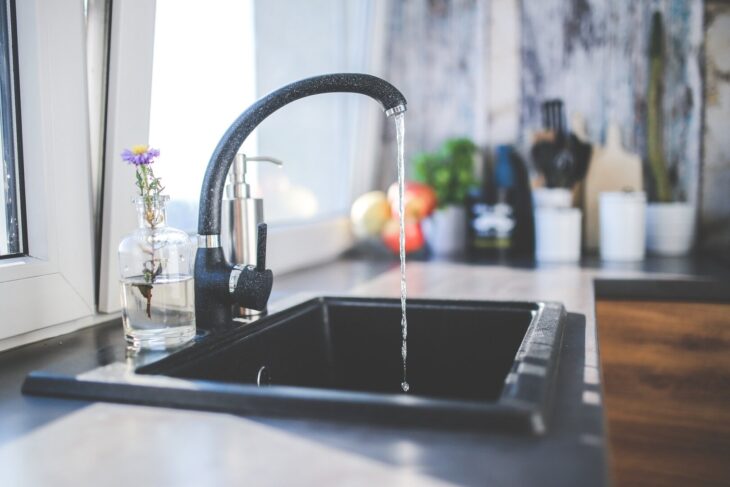 Think deep drawers instead of hard-to-reach lower cabinets, pull-out shelves, easy-grip hardware, well-positioned appliances, and multiple-height work surfaces. A wall or side-opening oven can reduce awkward bending, while thoughtful clearances make the kitchen easier to navigate.
The aesthetic advantage is considerable, too. Generous drawers, clean sightlines, integrated appliances, and uncluttered counters are as much hallmarks of contemporary kitchen design as they are accessibility strategies.
The Bathroom: Where Luxury and Accessibility Meet
If there is one room where aging-in-place design has already become virtually indistinguishable from luxury design, it’s the bathroom.
A curbless, walk-in shower creates a clean, continuous floor plane while eliminating a threshold to step over. A built-in bench can read as custom millwork. A handheld showerhead adds flexibility. Slip-resistant flooring provides safety without requiring a clinical-looking surface.
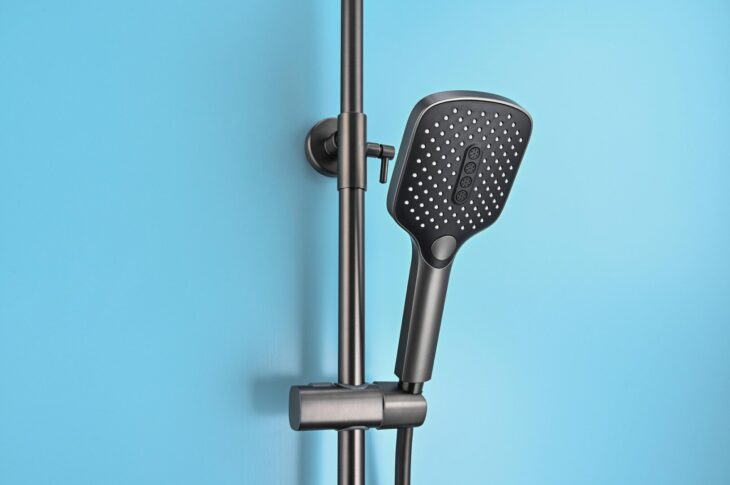 The trend is firmly within mainstream residential design. AIA’s 2025 kitchen and bath research found growing interest in sleek, modern doorless showers, noting that their popularity increased four percentage points.
The opportunity is to select materials and fixtures that make these features feel intentional. A grab bar can coordinate with the plumbing fixtures. A shower seat can be finished in the same stone as the walls. Structural reinforcement for future grab bars can be installed behind the walls long before anyone needs them.
The result is a beautiful bathroom that happens to be prepared for the future.
The Bedroom: Make One-Story Living Feel Like a Luxury
A first-floor primary suite is one of the clearest examples of a feature that can serve many purposes over time.
Today, it might mean waking up closer to the garden or avoiding stairs after a long day. Later, it can make the home easier to navigate as mobility changes.
AIA’s latest 2026 Home Design Trends Survey identifies accommodations for multiple generations, first-floor primary suites, and wider doorways among the leading special features homeowners are requesting.
The design opportunity is to make the suite feel like a destination rather than an accommodation: generous circulation, ample closet storage, a well-lit bathroom, and direct access to an outdoor space can turn practical considerations into an elevated residential experience.
The Hallways and Living Areas: Let the Architecture Breathe
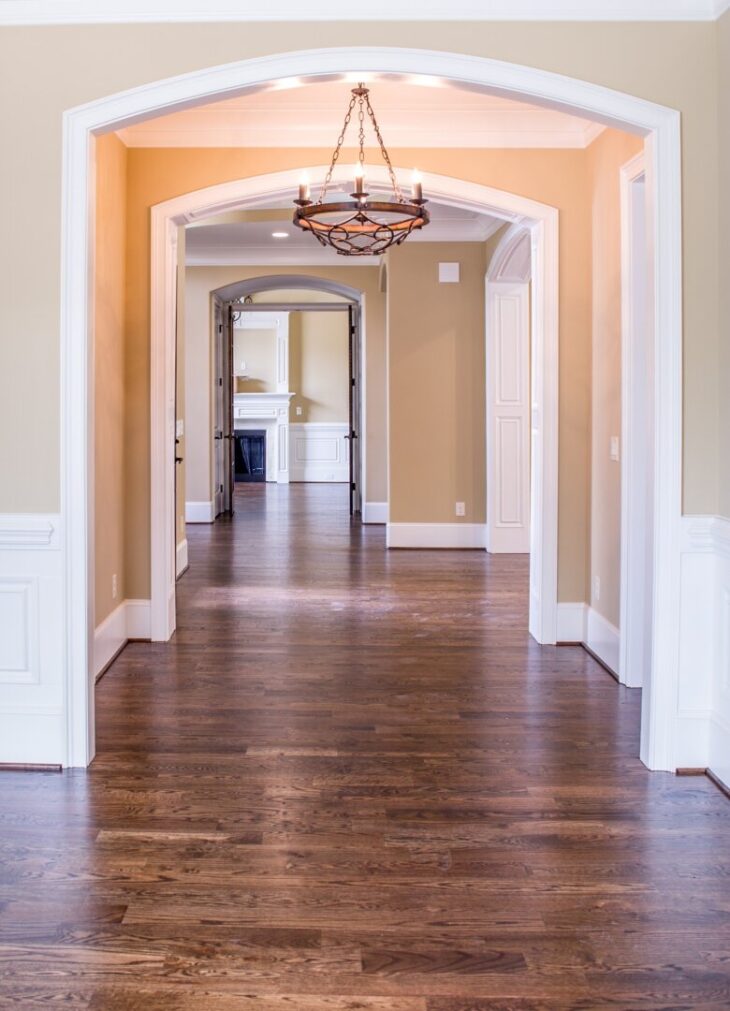 Circulation space is often where aging-friendly design becomes almost invisible.
Wider doorways and hallways provide easier movement without necessarily feeling oversized. Flush thresholds eliminate small changes in floor height. Good ambient and task lighting improves visibility. Clear pathways reduce obstacles and make furniture arrangements more flexible.
NAHB recommends wider doorways and hallways, clear floor space, and generous circulation as core universal-design strategies.
These choices can improve the visual quality of a home. Fewer obstacles, stronger sightlines, and generous transitions between rooms can make an interior feel calmer and more spacious.
The Outdoors: Make the Garden Part of the Floor Plan
Aging in place shouldn’t mean retreating indoors.
A level transition to a patio or terrace, a smooth walking surface, comfortable seating, good nighttime illumination, and low-maintenance landscaping can make outdoor spaces easier to enjoy as mobility changes.
AIA’s 2026 research found that outdoor living spaces were among the leading special-function spaces requested by homeowners, with demand increasing 10% from the previous year. The same survey found strong demand for in-law suites, multifunctional rooms, and accommodations for multiple generations.
The best approach is to think of the garden, terrace, or porch as another room – one that should be just as accessible and thoughtfully designed as the rooms inside.
Design for the Future Without Designing for “Old Age”
Ultimately, aging-in-place design isn’t about predicting exactly what someone will need at 75 or 85. It’s about creating a home with enough flexibility to accommodate life’s inevitable changes.
A flexible room might be a home office today, a guest room tomorrow, and a bedroom for a parent or adult child years from now. A curbless shower might be convenient now and essential later. A first-floor bedroom might simply be desirable until, one day, it becomes invaluable.
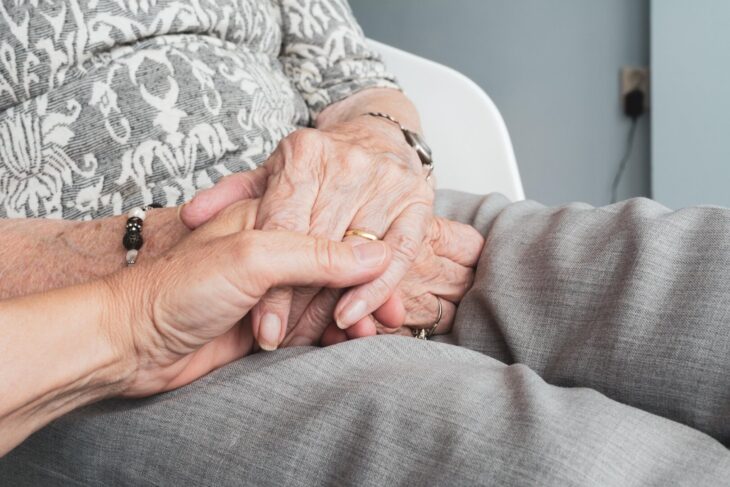 That is what makes universal design so compelling.
The goal isn’t to make a home look accessible. It’s to make a home exceptionally livable.
When thoughtful design does its job, you may never notice the aging-in-place features at all.
You’ll simply notice that the home feels comfortable, intuitive, beautiful, and ready for whatever comes next.
Editor's Note:
Aging in place is more than a design trend—it’s a growing market with important implications for how designers connect with clients. If you’re exploring how to turn your expertise into a stronger marketing strategy, be sure to read our highly popular article, “Aging in Place Design: What You Need to Know for Marketing.”
It offers practical insights on understanding the market, communicating your value, and staying in front of customers in this increasingly important area of design.