Universal Design: A Look at the TOTO Washlet
The Washlet has become a must-have item in Japan and around the world, with over 40 million Washlets sold since 1980. Clearly, homeowners are responding to something about this product.
The Washlet has become a must-have item in Japan and around the world, with over 40 million Washlets sold since 1980. Clearly, homeowners are responding to something about this product.
There’s nothing like meeting the needs of a client by designing what they really need – which is not always what they want.
That’s what Los Angeles architect John Dutton worries about, and that that the coming demographic shift could catch the U.S. napping. In an interview in DWELL magazine, Dutton said the models for housing are completely inadequate in design and temperament for the aging population.
According to Abbe Will, a research analyst for Harvard Joint Center for Housing Studies, the aging society and inaccessible housing stock is suggesting the growing need for remodeling.
The Milken Institute’s “Best Cities for Successful Aging”™ report gives you the inside view of the cities where aging in place is happening.
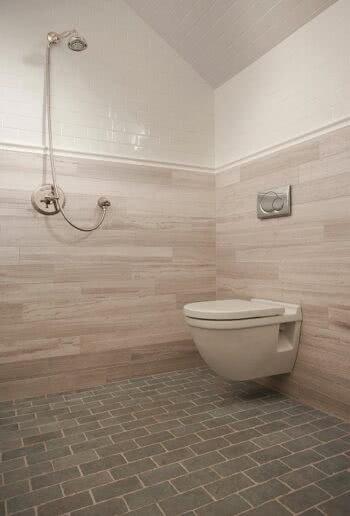
Wet room designs meet today’s bathroom needs while addressing future aging-in-place access requirements. Barrier-free showers and wall-hung toilets make these designs work.
The covers of Interior Design and Interiors & Sources magazines both feature the same mural in Adobe’s headquarters. How can designers protect their designs–and their reputations–from embarrassing concept similarities?
It is our responsibility as bloggers, tweeters, Facebook posters and content providers of all types to cite the source of the images we share. Acknowledge the designer/architect/contractor/builder or other source, somehow and somewhere in your material.